Water harvesting systems in India

Water has been harvested in India since antiquity, with our ancestors perfecting the art of water management. The raindrops were harvested directly from rooftops collected water and stored in tanks built in their courtyards.
Traditional Water Harvesting Methods

johad

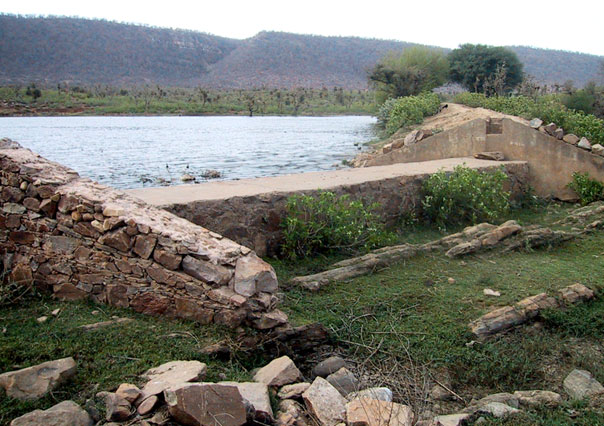
A johad, also known as a pokhar or a percolation pond, is a community-owned traditional harvested rainwater storage wetland principally used for effectively harnessing water resources in the states of Haryana, Rajasthan, Punjab, and western Uttar Pradesh of North India, that collects and stores water

Khadin

‘Khadin’ is a land-use system developed centuries ago in the Jaisalmer district of Western Rajasthan. It is practised where rocky catchments and valley plains occur in proximity. The runoff from the catchment is stored in the lower valley floor enclosed by an earthen ‘bund’. Any surplus passes out through a spill-way.

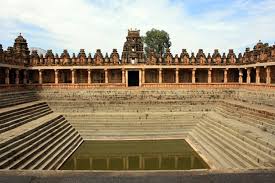
bawri

Bawri water harvesting is an ancient Indian practice that involves collecting rainwater from rooftops and storing it for later use. This method has been used for centuries in India as a way of providing access to clean drinking water during times of drought or other water shortages.

Modern Water Harvesting Methods

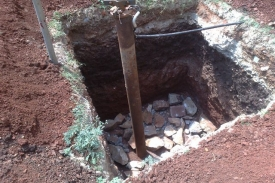
Percolation Pit

A percolation pit is nothing but a hole dug into the ground. It helps draw water downward through the soil, recharging groundwater.

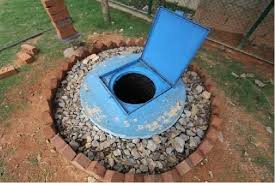
Absorbtion Wells

Absorption or infiltration wells consist of excavations, normally cylindrical and of variable depth, which may or may not be filled with permeable material

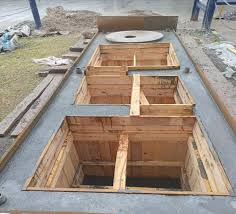
Recharge trench cum injection well

a 1-2 m wide and 2-3 m deep trench is dug, the length of which depends on the site availability and volume of water to be handled. An injection well of 100 to 150 mm diameter is constructed.

ABOUT PAGE

rain water harvesting and the various goverment policies.

CONNECT US

Facebook

instagram

Twitter